



You may be able to live off-grid in New Mexico, but zoning, water rights, building permits, septic or alternative wastewater rules, and county requirements determine whether a specific parcel works. Before buying, verify the parcel’s water source, legal access, wastewater plan, and local approvals rather than relying on an “off-grid” listing.
What Are Off Grid Laws in New Mexico?
Off-grid laws in New Mexico regulate the use of land, water, energy, and waste management systems that enable living without connection to municipal utilities. These laws cover zoning, building codes, water rights, energy generation, and waste disposal, varying by county and municipality.
For land investors and buyers, off-grid laws matter because they directly affect the kinds of structures you can build, your ability to source water and power, and your permit requirements. Compliance impacts your costs, timeline, and resale prospects.
Verification: Before moving forward, verify zoning and building restrictions with the county planning office. Check state water rights databases and local energy regulations with the respective authorities. Any unusual restrictions or required permits are red flags that may require adjustments to your off-grid plans or offer.
What Is the Legal Definition of Off Grid in New Mexico?
Legally, off-grid living in New Mexico means managing essential utilities,water supply, energy production, and waste treatment,without reliance on public infrastructure. This includes producing your own electricity (solar, wind), sourcing water independently (wells, rainwater harvesting), and handling waste through septic or composting systems.
This definition influences the permits you will need and how your property is classified in zoning codes. Being “off-grid” does not exempt you from local laws; instead, it may impose alternate compliance requirements.
Verification: Review local ordinances that define utility connections and requirements for independent systems. Consult with the local building department to understand how they classify off-grid properties and what documentation is needed.
What Are the Key Regulations for Off Grid Living in New Mexico?
The core regulations include state water rights laws, local zoning ordinances, building and fire codes, and utility regulations focused on irrigation, power generation, and waste management.
| Regulation Type | What It Controls | Why It Matters | Where to Verify |
|---|---|---|---|
| Water Rights | Access and use of surface and groundwater | Ensures legal water sourcing for wells and rainwater systems | Office of the State Engineer, local water district offices |
| Zoning Laws | Permitted land uses, building types, and density | Determines if your off-grid plans are allowed in the area | County planning or zoning department |
| Building Codes | Structural standards and construction permits | Ensures safety and legitimacy of off-grid structures | Local building department |
| Energy Regulations | Installation and operation of solar or wind systems | Compliance with safety, grid interconnection, and storage rules | Local utility commission and building department |
| Waste Disposal | Septic or composting system standards and permits | Prevents environmental contamination and health risks | Local environmental health or sanitation office |
Verification: Contact local and state agencies relevant to each category early. Conflicting regulations or overly restrictive zoning may require a different parcel or modification of the off-grid plan.
Do I Need a Permit to Live Off Grid in New Mexico?
Yes, permits are generally required for building residences or structures, drilling wells, installing septic or composting toilets, and setting up energy systems like solar panels or wind turbines. These permits ensure that installations meet safety and environmental standards.
Operating without permits risks fines, forced removal of structures, and property title complications, which can affect resale value.
Verification: Research permit requirements at the local building and planning offices for your specific parcel. Start permit applications early and maintain documentation of approvals. If permits are difficult to obtain for your intended use, it may necessitate rethinking your investment or adjusting your infrastructure plans.
What Are the Water Rights Laws for Off Grid Homes?
Water rights in New Mexico follow the prior appropriation doctrine, meaning rights are based on historical beneficial use. For off-grid homes, securing water rights legally is critical when planning wells or rainwater collection.
Rainwater harvesting is permitted under specific state guidelines, but capacity limits and system standards may apply. Well drilling requires a water right permit, strict adherence to drilling standards, and regular water quality testing.
Understanding local requirements can help you navigate the challenges discussed in our guide on Development, Utilities & Access.
Verification: Check water right status and permit availability with the Office of the State Engineer. Verify that the parcel’s water rights meet your intended use, especially for irrigation or household needs. Securing legal water access can be a deal-breaker for land purchases.
Are There Specific Energy Regulations for Off Grid Homes?
Yes, solar and wind systems must comply with installation codes and safety regulations. Interconnection with the grid, if any, involves local utility rules about net metering and system approvals. Energy storage systems also have standards related to fire safety and disposal.
These rules affect system design, installation costs, and permit needs.
Verification: Consult local building departments and utility commissions regarding rules for renewable energy systems. Confirm that your planned energy setup meets applicable codes to avoid costly redesigns or operational restrictions.
What Are the Building Codes for Off Grid Structures?
Building codes apply equally to off-grid structures, setting minimum standards for safety, durability, and habitability. Codes cover structural framing, electrical wiring, plumbing, and fire safety.
Alternative building materials,such as straw bale or earthbag construction,may be allowed if they meet code standards, but often require pre-approval or variance.
Verification: Obtain copies of applicable building codes from the local building department and confirm inspection requirements. Early consultation about alternative materials can prevent costly plan revisions or building delays.
How Do Zoning Laws Affect Off Grid Living?
Zoning laws dictate what land uses and structures are permitted on a property, varying from rural agricultural zones to residential or commercial districts. Off-grid homes may face restrictions on temporary structures like RVs, tiny homes, or non-traditional dwellings.
Understanding zoning is crucial to avoid permit denials or fines.
Verification: Contact the relevant county zoning office to identify the parcel’s zoning classification and permitted uses. Verify whether your intended off-grid residence type and activities (gardening, livestock) comply or if you need a zoning variance.
What Are the Waste Disposal Regulations for Off Grid Homes?
New Mexico requires off-grid homes to have approved waste disposal systems, typically septic systems or permitted composting toilets. These systems must be designed, installed, and maintained according to health and environmental standards.
Proper waste management prevents contamination and ensures environmental compliance.
Verification: Obtain septic permits and follow installation inspections as per local health departments. For composting toilets, verify acceptance and installation requirements locally. Failure to comply may result in sanctions and restrict property resale.
Can You Grow Your Own Food Off Grid in New Mexico?
Yes, growing food is generally allowed, but agricultural activity may be limited by zoning rules. Small-scale gardening usually does not require permits, whereas larger or commercial farming operations might.
Livestock keeping may also face restrictions on animal types, quantities, and facility standards.
Verification: Check agricultural zoning definitions for your parcel. Consult the county agricultural extension office or zoning department regarding permit requirements for farming or livestock. Restrictions here may affect your land use plans and investment value.
What Are the Fire Safety Regulations for Off Grid Homes?
Fire codes focus on structure materials, defensible space, and wildfire risk mitigation. Off-grid homes in wildfire-prone areas need to follow state and local guidelines to reduce fire hazards.
Emergency preparedness plans are strongly recommended.
Verification: Confirm local fire district regulations, recommended defensible space guidelines, and construction material requirements. Complying with these can reduce insurance costs and protect your investment.
What Is the Tax Implication of Living Off Grid?
Property taxes on off-grid homes in New Mexico are generally assessed similar to conventional homes, but modifications or renewable energy installations may affect assessments.
Tax incentives or credits might be available for renewable energy investments.
Verification: Consult with a local tax professional or assessor’s office about property tax rules and possible renewable energy incentives. Verify which improvements affect tax assessments before committing funds.
Are There Restrictions on Off Grid Water Systems?
Regulations cover rainwater harvesting system design, capacity, and water usage. Well drilling requires permits and water quality testing.
These restrictions exist to protect public water resources and public health.
Verification: Review guidance from the state Office of the State Engineer and local health departments to ensure compliance with water system regulations and avoid legal penalties.
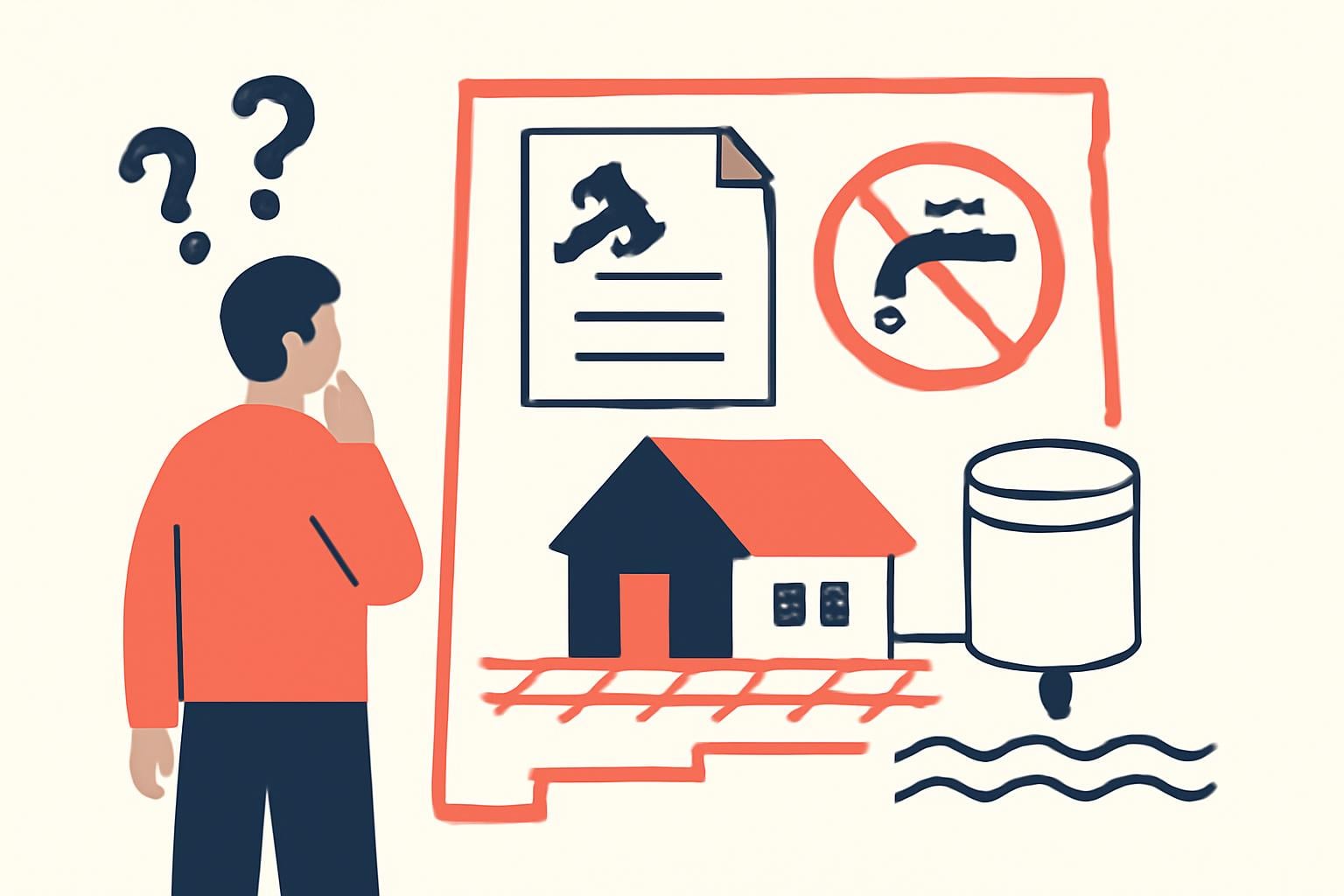
What Is the Role of Local Governments in Off Grid Regulations?
Local governments hold significant authority, implementing zoning codes, building permits, and enforcement. These regulations can vary widely even within counties.
Understanding local requirements and forming cooperative relationships with officials helps avoid surprises.
Verification: Contact local planning, building, and environmental offices early to confirm applicable rules and obtain permits. Join local meetings or advocacy groups to stay aware of changes that could impact off-grid living.
How Do Environmental Laws Impact Off Grid Living?
Environmental laws regulate land disturbance, water use, protected habitats, and pollution prevention. Compliance is vital to avoid fines and protect property value.
Practices harming wildlife or water quality can lead to enforcement actions.
Verification: Check with the New Mexico Environment Department and local conservation offices. Consider environmental assessments during due diligence, especially in sensitive areas.
Are There State Grants or Incentives for Off Grid Living?
New Mexico offers grants and tax incentives primarily targeting renewable energy and energy efficiency projects, which can reduce upfront costs for solar or wind systems.
Eligibility and availability vary, and application processes require detailed project info.
Verification: Review state energy program websites and inquire at local utilities for current incentives that could offset your energy system costs. Factor these into your investment analysis but confirm application criteria ahead of purchase.
What Are the Risks of Non-Compliance with Off Grid Laws?
Non-compliance can result in fines, forced removal of structures or systems, legal disputes, and difficulties transferring or selling the property. These issues can jeopardize your investment and living plans.
Remaining compliant protects your property value and peace of mind.
Verification: Maintain all permits, follow regulations consistently, and seek legal advice when in doubt. Unpermitted structures or disputed water rights are serious red flags that may warrant walking away from a deal.
How Do Off Grid Laws Differ Across New Mexico?
Off-grid laws vary by county and municipality due to differences in zoning, local resources, and priorities. Rural areas often have fewer restrictions than urban or suburban zones.
The regulatory environment depends heavily on location, influencing land use potential and costs.
Verification: Investigate local jurisdiction laws for each county or township where you consider land. This regional variation can change your offer strategy or site selection.
What Resources Are Available for Off Grid Living in New Mexico?
Resources include state energy programs, county planning offices, agricultural extension services, community organizations, and online forums about off-grid living.
These resources provide guidance, permits information, and networking opportunities that can ease your transition.
Verification: Leverage these resources early to gather information, clarify regulations, and connect with experienced off-gridders. For example, check official state websites and local offices for authoritative guidance and current updates.
What Should I Know Before Moving Off Grid in New Mexico?
Before moving off-grid, fully research local laws, obtain all necessary permits, thoroughly plan your water and energy systems, and build connections with local off-grid communities for support.
Successful off-grid living requires balancing legal compliance, practical infrastructure, and local relationships.
Verification: Develop a checklist of local permit requirements, conduct site-specific water right and zoning verifications, and consult professionals when needed. Be prepared to revise plans based on findings to avoid costly mistakes and ensure a smooth transition.
To understand housing options compatible with off-grid living, explore our comprehensive guide on Off-Grid, RV & Alternative Housing.
How Do Off Grid Laws Affect Community Living?
Off-grid laws influence how communities can share resources, co-habit, or organize communal infrastructure. Zoning and permitting requirements may affect co-housing arrangements and shared utilities.
Building a compliant, cooperative off-grid community involves navigating these regulations and establishing local agreements.
Verification: Investigate local cooperative housing ordinances and resource-sharing rules. Engaging with community leaders and municipal planners can help design compliant communal living arrangements.
What Are the Common Legal Issues Faced by Off Gridders?
Typical legal challenges include disputes over water rights, zoning violations, unpermitted buildings, and septic system approvals. These issues often stem from misunderstandings of regulations or inadequate permitting.
Resolution often requires legal counsel and can delay or derail projects.
Verification: Prioritize clear documentation, maintain permits, and seek professional assistance promptly if disputes arise. Establishing legal clarity early is key to avoiding costly conflicts later.
How Can I Find Legal Help for Off Grid Living Issues?
Seek attorneys specializing in land use, environmental, or utility law with experience in off-grid living. Legal aid organizations may offer assistance for qualifying individuals. Local land planners and community advocates can also provide guidance.
Legal advice is essential for navigating complex requirements and resolving disputes.
Verification: Use referrals from local planning departments or off-grid groups to identify qualified attorneys. Confirm credentials and experience relevant to New Mexico off-grid laws before engagement.
Mini FAQ
What is off-grid living? A lifestyle minimizing reliance on public utilities by using independent systems for water, energy, and waste.
Do I need permits to live off-grid in New Mexico? Yes, permits are generally required for construction, water access, and waste systems.
How are water rights handled for off-grid homes? Water rights are governed by appropriation laws; permits and legal rights to water use are necessary and must be verified.
Are there tax benefits for off-grid energy systems? Potentially, as New Mexico offers incentives for renewable energy installations subject to eligibility criteria.
How do zoning laws impact off-grid living? Zoning places limits on land use, structure type, and activities, affecting what off-grid systems and dwellings are allowed.
Where can I find more help for off-grid living in New Mexico? State government programs, local planning offices, community groups, and online forums are useful resources.
What steps should I take before moving off-grid? Research local rules thoroughly, secure all necessary permits, plan compliant systems, and connect with local off-grid communities.