

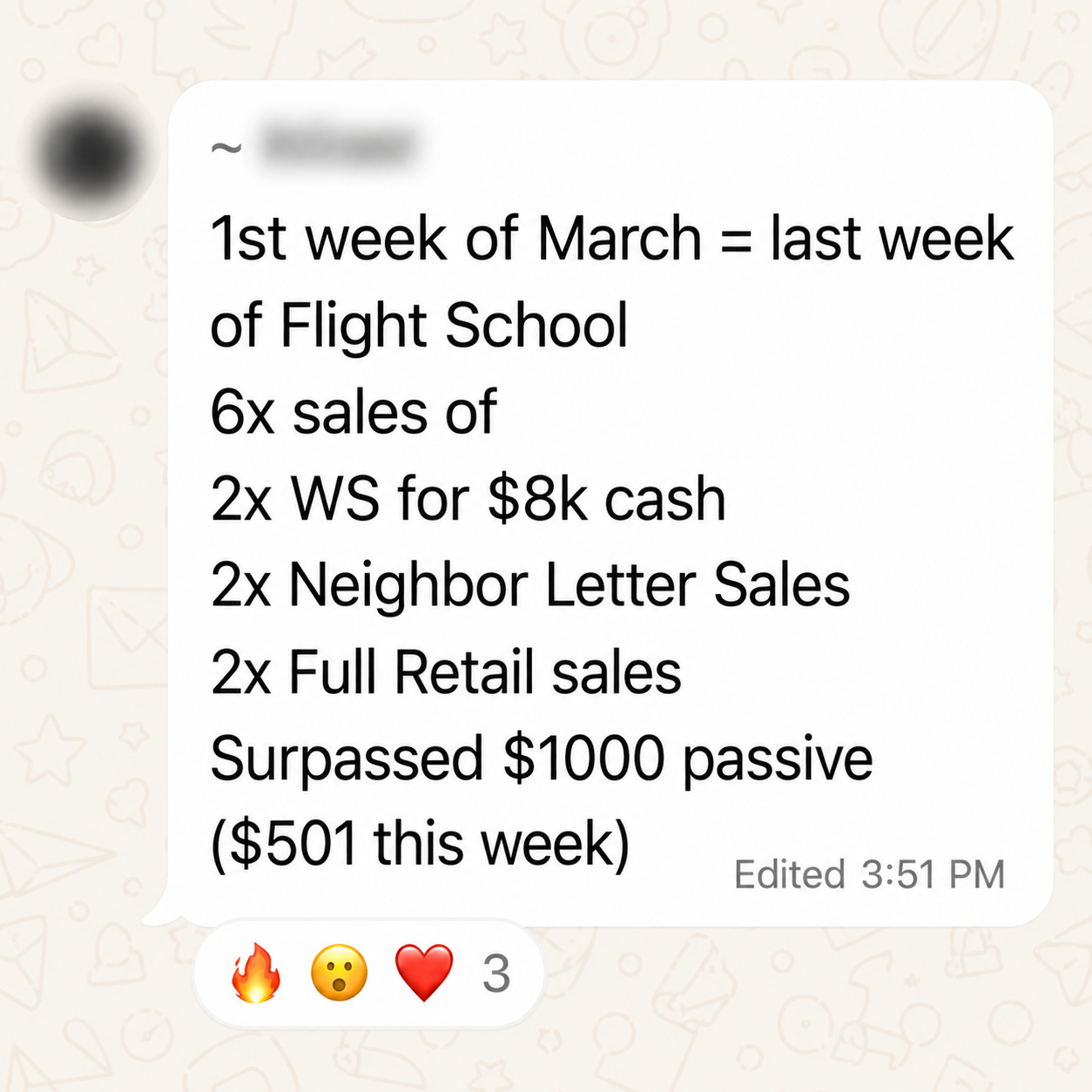

Land flipping income proof depends on understanding how to spot profitable deals, perform thorough due diligence, and manage risks effectively. This guide gives you a practical framework to evaluate land flipping opportunities, verify key facts, and make confident decisions,without relying on generic promises.
For a solid foundation, explore the essential principles covered in our guide on Land Investing Fundamentals.
For insights on investment resilience during economic downturns, explore our detailed guide on recession proof investments.
Whether you’re new to land investing or refining your approach in 2026, this article clarifies what matters most to generate real income from land flipping and avoid costly pitfalls.
What Is Land Flipping and How Does It Generate Income?
Land flipping means buying vacant land below market value and reselling it at a higher price within a short timeframe. Income comes from the price difference minus costs.
This strategy is attractive because land typically doesn’t need costly improvements, allowing investors to focus on finding deals where market conditions or buyer interest create room for profit. The key is identifying parcels with demand or development potential before others do.
To evaluate income potential, verify recent sales prices for comparable land in your target area using county records or MLS data. Check the parcel’s size, access, zoning, and restrictions,all these factors directly impact resale value and buyer interest. Without confirming these specifics, any expected income figure is just a guess.
What Is the Step-by-Step Process to Flip Land Profitably?
Successful land flipping follows a clear workflow: find undervalued land, perform thorough due diligence, purchase at the right price, and sell with effective marketing.
1. Finding the Right Land
Search for land in areas showing growth or development possibilities. Use online listings, public auctions, and local contacts, but always verify affordability versus market values. Off-market properties can provide better margins but require more networking and research.
2. Performing Due Diligence Before Purchase
Due diligence is your insurance against surprises that kill profits. Confirm:
- Ownership and Liens: Obtain a title report from a reputable title company to ensure clean ownership free of liens or judgments.
- Zoning and Land Use Restrictions: Contact the county zoning office or planning department to verify permitted uses.
- Legal Access: Confirm physical and legal access to the property via public roads or recorded easements in county records.
- Environmental and Physical Conditions: Assess flood zones, protected areas, or terrain challenges that limit usability.
If any of these reveal barriers that block your intended resale or uses, reconsider or renegotiate your offer. This due diligence shapes your offer price and exit plan.
3. Closing the Purchase
Once due diligence passes your criteria, close confidently with proper title insurance and documents. Avoid rushed or cash-only deals unless you have independently confirmed all facts.
4. Marketing and Selling the Land
Your exit strategy relies on setting a competitive price based on comparative sales and highlighting key land features attractive to buyers (e.g., access, nearby amenities, or zoning potential). Use multiple platforms online, local advertising, and direct outreach to target the right audience.
Pricing too high stalls sales and increases holding costs. Pricing too low reduces profit margins. Your pricing must reflect verifiable market data and conditions.
What Specific Due Diligence Steps Are Non-Negotiable?
Due diligence in land investing demands definitive verifications, not assumptions.
- Title and Ownership: Verify with a title company or county recorder’s office that the seller has clear title and there are no liens or encumbrances.
- Zoning and Permitted Use: Confirm zoning classifications and any overlays with the local planning department. Confirm your intended use is allowed or can be reasonably changed.
- Access: Ensure the parcel has documented legal access to a public road, not just physical dirt trails. Without legal access, resale options narrow dramatically.
- Environmental Restrictions: Check FEMA flood maps, protected wetlands, or contamination concerns that could limit development or resale appeal.
- Property Boundaries: Review survey maps if available, or order a survey to confirm boundaries and avoid disputes.
Each of these verifications should come from authoritative sources,title reports, county offices, or qualified surveyors. Any red flag uncovered here should pause your plan or shrink your offer accordingly.
What Common Land Flipping Mistakes Should You Avoid?
Many land investors lose money by skipping essential steps or misunderstanding the market. The most frequent mistakes include:
- Inadequate Due Diligence: Failing to check title, access, or zoning details can turn a promising deal into an unsellable problem property.
- Overpaying Without Comparable Sales: Buying land without referencing recent, genuinely similar sales leads to paying too much and eroding potential profit.
- Poor Marketing Efforts: Relying only on one sales channel or underpricing your land to sell fast may reduce your ultimate income.
- Ignoring Holding Costs: Underestimating taxes, insurance, and carrying costs during long sell times can turn a deal red.
To avoid these, adopt a disciplined approach: verify each fact rigorously, set your walk-away price before bidding, and plan marketing strategically considering local buyer profiles.
What Are the Typical Costs Involved in Land Flipping?
Your profitability depends on accurately accounting for all acquisition and holding costs, not just the purchase price.
| Cost Type | Description | Verification | Decision Impact |
|---|---|---|---|
| Purchase Price | Price paid to acquire the land | Purchase contract and title report | Compare to recent comparable sales; overpaying reduces profit |
| Closing Costs | Title insurance, recording fees, and escrow fees | Settlement statement | Estimate 2-5% of purchase price; include in budget |
| Property Taxes | Annual taxes during holding period | County tax assessor’s office | Estimate based on current tax rate; high taxes increase holding costs |
| Marketing Expenses | Advertising, signage, listings, and broker fees (if applicable) | Quotations from service providers or experience | Plan cost-effective marketing strategies; over-budgeting reduces net gain |
| Due Diligence Costs | Surveys, inspections, title searches | Invoices and contracts with professionals | Necessary to avoid hidden risks; budget accordingly |
| Holding Costs | Utilities (if any), insurance, or maintenance | Statements or quotes | Estimate realistically based on parcel type and location |
Budgeting for these expenses upfront helps set realistic profit margins and defines your walk-away price. Ignoring any component risks a deal’s viability.
What Risks Should You Consider Before Flipping Land?
Land flipping carries several specific risks beyond general real estate investment hazards. Key risks include:
- Market Liquidity , Land often sells slower than developed properties, especially in less populated areas, risking longer holding times and increased carrying costs.
- Legal and Title Issues , Undisclosed liens, ownership disputes, or unclear access rights can delay or prevent resale.
- Zoning or Use Changes , Zoning restrictions or unexpected regulatory changes can limit buyer pools or development potential.
- Environmental Restrictions , Protected wetlands, flood zones, or contamination can severely affect usability and marketability.
Mitigate these risks by thorough due diligence and conservative underwriting of time and costs. Confirm your exit strategy’s feasibility under different market scenarios.
How Do You Assess Land Value to Set a Realistic Flip Price?
Start your valuation by comparing recent sales of similar land parcels,similar size, location, zoning, and access. Sources like county assessor databases or multiple listing services provide relevant data. Adjust these comps for parcel size differences, topography, and development potential.
After comp analysis, factor in:
- Legal access and current zoning, which greatly impact usability
- Presence or absence of utilities
- Physical constraints like wetlands or steep slopes
- Local market trends such as new infrastructure or demand in the area
If you cannot find solid recent sales that match your parcel, or if key factors reduce usability, adjust your value downward or reconsider the purchase. An accurate valuation guides your offer and resale pricing.
What Role Does Market Research Play in Improving Your Land Flip Outcome?
Market research helps you locate promising areas and time your purchase and resale for maximum gain.
Gather data on local economic growth, demographic shifts, infrastructure projects, and land use changes from government websites, local planning offices, and real estate databases. This information forecasts potential demand increases.
Regularly reviewing buyer interest and competitor activity online or through real estate agents reveals what price points and property features attract buyers. Without ongoing research, you risk buying in stagnant locations or missing optimal sale windows.
How Can You Buy and Sell Land More Effectively for Profit?
Buying Effectively
Focus on motivated sellers or off-market deals, which offer better pricing and negotiation leverage. Prepare your financing early, whether cash or loans, to move quickly. Use conditional offers based on due diligence to protect yourself during negotiation.
Selling Effectively
Craft a detailed listing with clear photos and descriptions emphasizing legal access, zoning, and potential uses. Price competitively but realistically using your comparative analysis. Use multiple marketing channels and be responsive to buyer inquiries to speed sale.
What Advantages Does Investing in Vacant Land Offer Compared to Other Real Estate?
Vacant land often has lower upfront costs and minimal maintenance compared to developed properties. There are no buildings to repair or rent management headaches. It can diversify your portfolio without adding tenant risk.
The flexibility of land lets you hold for appreciation, develop later, or flip quickly. However, this benefit depends greatly on location and market timing verified through research and due diligence.
What Are Practical Next Steps to Improve Your Land Flipping Success?
If you want clearer guidance and to accelerate your land flipping income results, follow a proven, step-by-step system that emphasizes disciplined due diligence, conservative underwriting, and realistic pricing.
For a deeper understanding of real experiences, explore our collection of detailed Case Studies, Proof & Community demonstrating various land flipping scenarios.
Consider exploring Land Geek coaching for structured mentorship or starting with the Dirt Rich book to build solid foundational knowledge.
Explore Land Geek coaching for personalized support tailored to your land investing goals.
Final Thoughts
Real proof of land flipping income lies in your ability to consistently verify critical factors before purchase, avoid common mistakes, and execute a well-planned resale. Use authoritative records and professionals to confirm ownership, zoning, access, and market value. Price deals conservatively and always budget all costs.
By treating land flipping as a strategic investment business with disciplined processes, you improve your odds of turning land into sustainable income rather than speculative losses.