

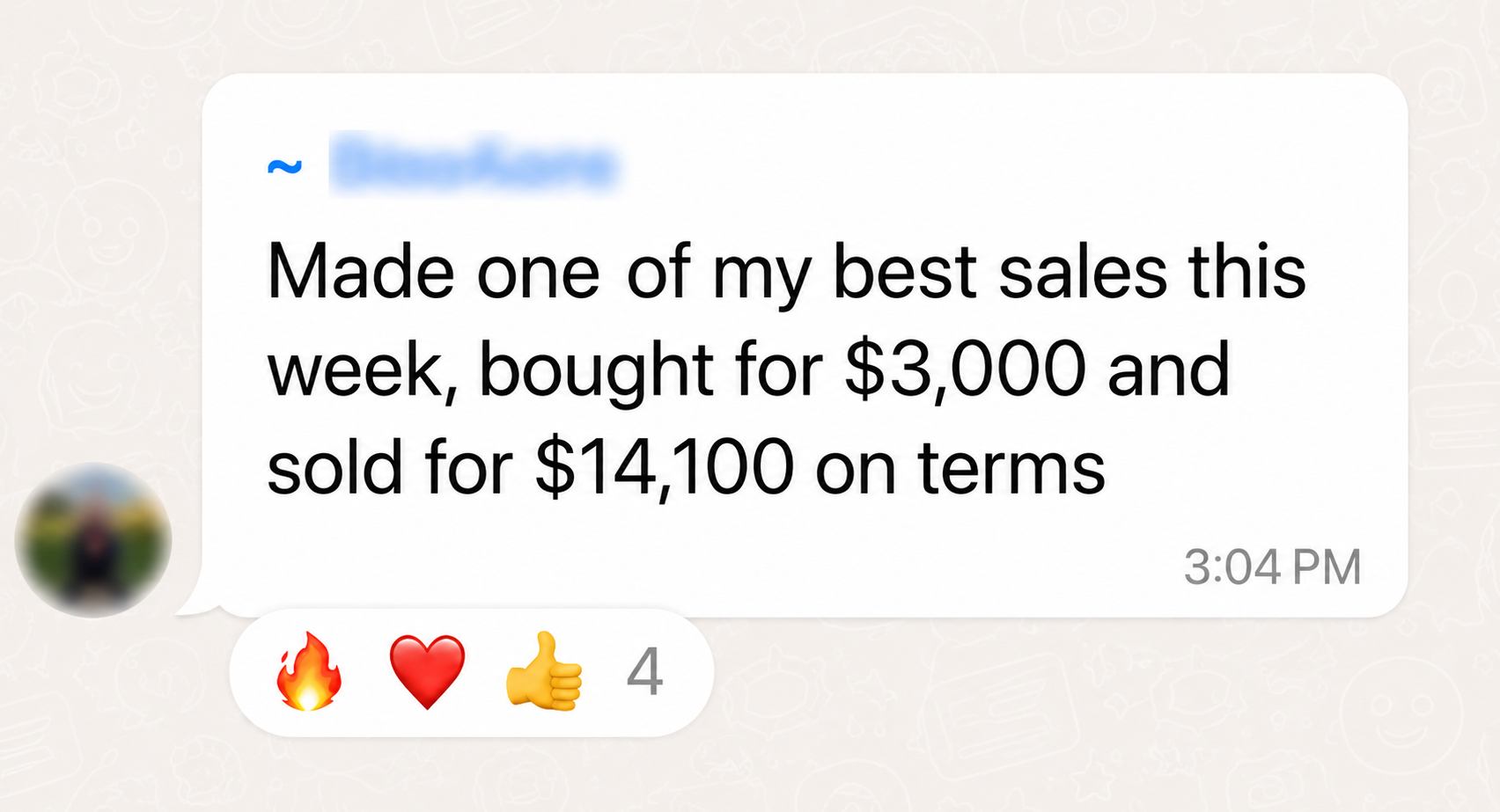

Understanding how to evaluate Land Geek student results starts with mastering the practical steps that impact profitability and investment quality. This guide provides a clear, actionable framework to help you scrutinize land-flipping opportunities, navigate risks, and decide if a land investing course or system fits your goals for 2026 and beyond.
Whether you’re a beginner or looking to refine your approach, this guide focuses on the key factors you must verify to make confident, well-informed land investing decisions that protect your capital and maximize potential returns.
By following this buyer’s guide, you’ll be able to screen opportunities more effectively, spot red flags early, and set realistic expectations for your land investing journey.
What Are the Core Concepts of Land Investing You Need to Know?
Land investing means purchasing parcels of land with the intention to resell, develop, hold for appreciation, or generate income from usage such as leasing. To assess any land investing education or program, you need a solid grasp on how different types of land and ownership characteristics influence risk and return.
This matters practically because your investment decisions hinge on understanding what type of land you’re buying (raw, developed, agricultural, etc.) and what legal and physical constraints apply. Without this understanding, following any land investing strategy risks costly mistakes.
Verify: Before acting on any land investment strategy, confirm the type of land (using county assessor and zoning office records), its legal status (check for liens or easements via title records), and allowed uses (consult local zoning codes).
How Do You Get Started with Land Investing in a Way That Aligns with Your Goals?
Getting started effectively requires creating a detailed land investing plan that aligns your budget, timeline, and intended use of the property. This disciplined plan guides property searches and decision-making.
Why this is critical: Without a plan that defines your target market and investment criteria, you risk selecting properties that don’t fit your objectives, causing delays, losses, or missed opportunities.
Verify: Write down your intended use (flip, hold, develop), establish your realistic budget (include purchase, closing, tax, and maintenance costs), then research markets that meet this criteria through MLS listings, public records, and local real estate networks.
What Is the Step-by-Step Process for Buying Vacant Land?
Buying vacant land involves: 1) thorough property research, 2) making an informed offer, 3) conducting due diligence, and 4) closing the sale with clear title transfer. Skipping or rushing any step invites risk.
Understanding how to evaluate potential properties can enhance your approach to Buying Land & Deal Sourcing buying land and deal sourcing effectively.
The impact: A clear, documented process protects you from legal issues, overpaying, or buying unusable land.
Verify: Use county property apps and GIS maps to research parcels; request comparable sales to value your offer; hire a title company or attorney to verify ownership and liens; check for recorded access rights and utilities availability before closing.
How Should You Conduct Due Diligence to Avoid Costly Surprises?
Due diligence means verifying zoning regulations, access to utilities, environmental conditions, and title history to ensure the land fits your intended use and is free of legal or physical encumbrances.
This step is the backbone of a responsible land investment. Missing a zoning restriction or environmental hazard can drastically affect your ability to use or sell the land.
Verify: Obtain a zoning compliance letter from local planning, perform an environmental site assessment if applicable, check easements or encroachments via a land survey, and ensure that title is clear of liens or disputes using a title insurance policy.
What Costs Should You Expect When Investing in Land?
The total cost of owning land includes the purchase price, closing costs, ongoing property taxes, insurance, and potential development or maintenance fees. Hidden costs like utility hookups or environmental remediation can add substantially to your budget.
Why this matters: Budgeting for all foreseeable costs prevents financial surprises and allows for realistic profit projections.
Verify: Request estimated property tax statements from the county assessor, ask local utility providers about hookup fees, and get quotes for any planned development or maintenance. Title company or real estate closing agent can provide an estimate of closing costs.
What Risks Should You Be Particularly Careful to Identify and Manage?
Major risks include market fluctuations, restrictive zoning, environmental hazards, and unclear title. Each can have a material impact on land usability and resale value.
Understanding these risks up front allows you to mitigate or avoid bad deals.
Verify: Follow local market analysis reports and trends to understand pricing volatility; confirm zoning restrictions with the planning department; commission environmental testing if contamination or flood risk is suspected; rely on comprehensive title search results.
What Is a Reliable Workflow to Follow If You Want a Clear Path Forward?
A practical decision workflow starts with your intended use of the land, then verifying legal access, zoning, and environmental factors, followed by a market comparison to set an offer price. Conclude with thorough due diligence and title verification before closing.
Applying this sequence consistently reduces mistakes and builds confidence in deal quality.
Verify: Create a checklist for each step and confirm every fact with official records or qualified professionals. Use this checklist to decide whether to proceed, renegotiate, or walk away.
How Do You Successfully Sell Land to Maximize Your Return?
Success in selling land depends on preparing your property (clear boundaries, ensure access), effective marketing, and strategic negotiation based on market data.
Why this matters: Proper preparation and pricing reduce time on market and enhance final sale price.
Verify: Have a recent survey ready, list the property on multiple platforms with professional photos, consult a land-focused real estate agent if needed, and research comparable sales to justify your asking price during negotiation.
What Common Mistakes Should You Avoid to Protect Your Investment?
Avoid skipping due diligence, ignoring market timing, and underestimating ongoing expenses. Each can erode potential profits and expose you to unexpected liabilities.
Being aware of these common errors improves your chances of sustainable success.
Verify: Always complete full due diligence, track market data regularly, and maintain a comprehensive budget that includes both visible and hidden costs.
How Do You Accurately Determine the Value of Land?
Land value is established by comparing recent sales of similar parcels in the same area, adjusting for size, zoning, access, and usability.
This comparative market analysis (CMA) provides a defensible value range to make confident purchase or sale offers.
Verify: Pull recent sold listings and sales prices from county records or MLS, note differences in land features or restrictions, and if needed, obtain a professional appraisal for an objective valuation.
What Financing Options Can You Consider for Buying Land?
Common options include traditional bank loans, owner financing directly from the seller, and alternative private lenders. Each comes with different qualification criteria and flexibility.
Choosing the right financing impacts your purchase price and terms directly.
Verify: For bank loans, check lender requirements on down payment and credit; for owner financing, ensure the contract is clear and legally reviewed; for private lending, understand all fees and interest rates carefully.
How Can You Maximize Returns on Your Land Investment?
Increasing returns may involve improving land access, securing development permits, adding utilities, or choosing a strategy that fits your market,such as flipping for quick profits or holding for long-term appreciation.
Each tactic requires investment of time, money, and research but can substantially boost value.
Verify: Confirm cost and feasibility of upgrades with local authorities, estimate market response by studying comparable sales, and align your improvements with buyer demand trends.
What Are the Best Practices for Ongoing Success in Land Investing?
Best practices include continuously researching market and legal changes, networking with experienced land investors, and regularly refining your investment plan to match evolving goals.
This approach helps you avoid stagnation and adapt to opportunities and risks as they arise.
Verify: Participate in local or online investor groups, subscribe to industry publications, and routinely review county and city zoning updates relevant to your holdings.
How Should You Handle Taxes Related to Land Investments?
Landowners need to budget for property taxes, understand potential capital gains when selling, and explore any tax deductions related to land maintenance or improvements, while consulting tax professionals.
Accurate tax planning avoids surprises and can optimize net investment returns.
Verify: Contact your local tax assessor for property tax rates, consult IRS guidelines or a qualified tax advisor regarding capital gains, and keep detailed expense records to support deductions.
What Are Frequently Asked Questions That New Land Investors Have?
New investors frequently ask how much land to buy, if remote investing is realistic, and when the best time to buy is.
Answers depend on individual goals, local market conditions, and your ability to conduct thorough due diligence remotely.
Verify: Assess your financial capacity and go for parcels that fit your scale; use virtual tools and trusted local agents if remote; monitor market conditions and economic indicators to time purchases.
Final Remarks
To evaluate Land Geek student results effectively and land investing opportunities generally in 2026, you need a clear, fact-driven process that prioritizes legal and market verification at every step. Without this discipline, your decisions will be riskier and less profitable.
Understanding the basics of land investing can provide valuable context for interpreting student results investing.
If you want a clear system to follow and avoid costly errors, consider starting with the Dirt Rich book or exploring Land Geek coaching.