Site icon The Land Geek

How To How Much Money Flipping Land: Buyer’s Guide (2026)

How to how much money flipping land is easier to evaluate when you understand how it works, what affects profitability, and what separates a strong opportunity from a weak one.

This guide explains the core process, the main risks, the skills that matter, and the practical factors buyers should review before choosing a land flipping course.

With a clear framework, you can avoid costly mistakes, compare programs more intelligently, and make better land investing decisions with more confidence.

What is Land Flipping?

Land flipping involves purchasing vacant land and reselling it for a profit. It differs from traditional real estate flipping as it focuses solely on land without structures.

Land flipping is often seen as a simpler investment compared to residential or commercial real estate. Investors can take advantage of lower entry costs and less maintenance. Understanding the nuances of land flipping is crucial for success. This investment strategy allows for flexibility and can yield high returns if executed properly.

Definition of Land Flipping

Land flipping is the act of buying land with the intent to sell it at a profit after a short period. This can involve purchasing raw or undeveloped land in areas with potential for growth. Investors typically look for undervalued properties that can be sold at a higher price. The process often requires market research and an understanding of local trends. Successful land flippers are adept at identifying opportunities that others may overlook.

How It Differs from Other Investments

Unlike traditional real estate investments, land flipping does not involve managing tenants or maintaining structures. This can lead to lower ongoing costs and less time commitment. Land investments often require less capital upfront compared to buying a house. Additionally, the market dynamics for land can be different, focusing more on location and future development potential. Investors can benefit from the simplicity of land transactions, making it an attractive option for many.

Benefits of Land Flipping

One major benefit of land flipping is the potential for high returns on investment. Investors can capitalize on market trends and demand for land in specific areas. The process often involves lower risks compared to other forms of real estate, as land typically appreciates over time. Furthermore, land flipping can be a relatively quick way to generate income if done correctly. The flexibility in investment strategies also allows for tailored approaches based on individual goals.

How Does Land Investing Work?

Land investing works by identifying, purchasing, and selling land for profit. Investors typically research market trends and property values to make informed decisions.

The process begins with understanding the local real estate market and identifying potential properties. Investors often look for undervalued land that has the potential for appreciation. Once a property is acquired, marketing it effectively is crucial for a successful sale. This cycle of buying and selling can lead to significant financial gains for savvy investors.

The Basics of Land Investing

Land investing requires a solid understanding of the market and property values. Investors should start by researching local trends, zoning regulations, and potential development opportunities. It is also essential to evaluate the land’s accessibility and surrounding infrastructure. Building relationships with local real estate agents can provide valuable insights and opportunities. A comprehensive approach will help investors make sound decisions and maximize returns.

Steps in the Land Investing Process

The land investing process begins with thorough market research to identify viable properties. After pinpointing potential land, investors must conduct due diligence, including title checks and zoning regulations. Once a property is acquired, effective marketing strategies are essential for a successful sale. This may involve online listings, networking, and utilizing social media platforms. Finally, closing the deal requires careful negotiation to ensure the best possible return on investment.

Finding Your First Investment

Finding your first land investment can be both exciting and daunting. Start by identifying areas with growth potential, such as developing neighborhoods or locations near amenities. Online platforms and local listings can provide insights into available properties. Networking with other investors can also lead to valuable opportunities. Being patient and diligent in your search will increase your chances of finding a profitable investment.

How Much Money Can You Make Flipping Land?

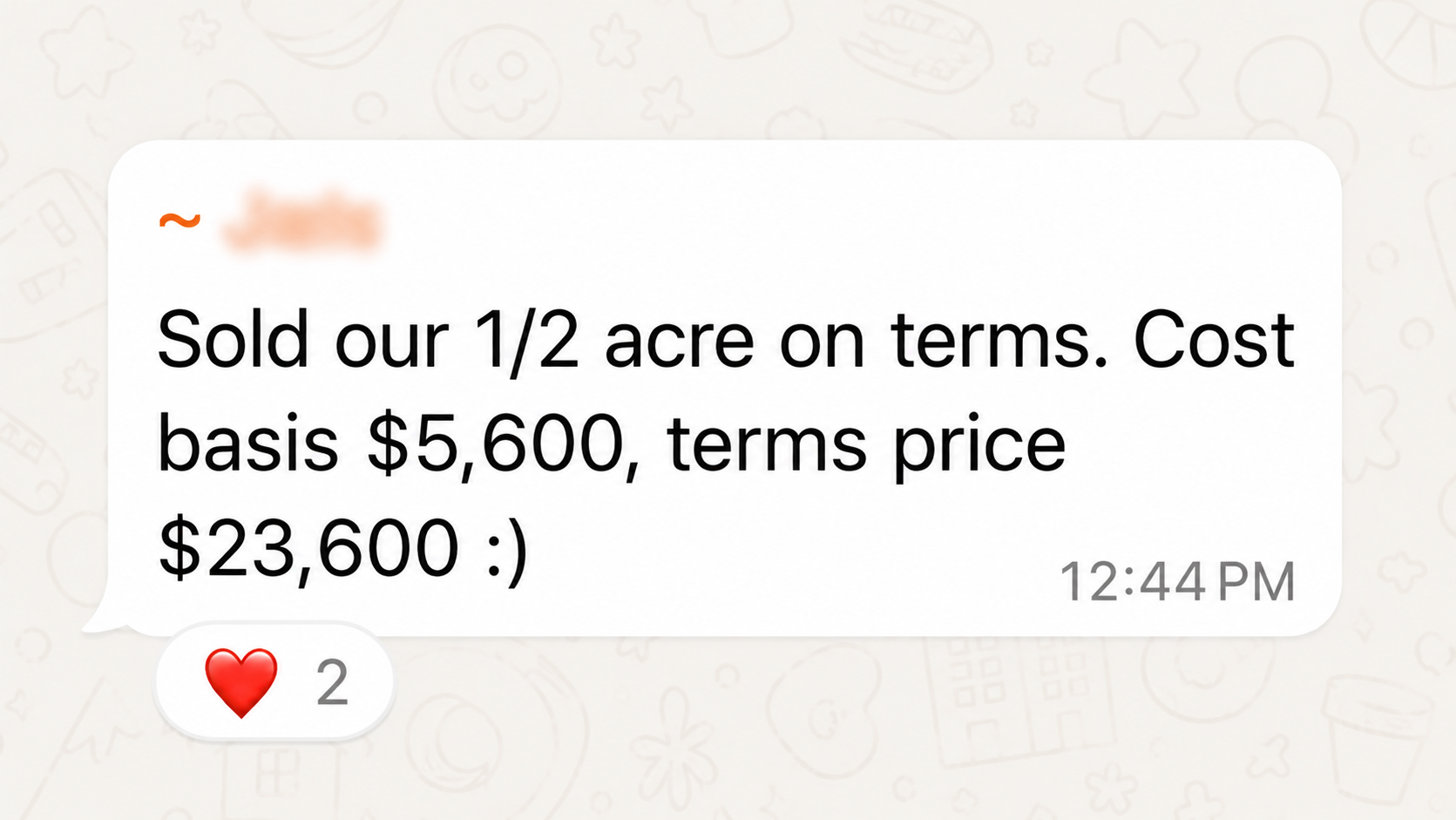
The potential profit from flipping land can vary widely based on location and market conditions. Many investors have reported profits ranging from a few thousand to several hundred thousand dollars.

Profit margins in land flipping can be substantial, especially in rapidly appreciating areas. Factors such as market demand, property size, and zoning can influence the final sale price. Investors should conduct thorough research to understand potential earnings. With careful planning and execution, flipping land can be a lucrative venture.

Potential Profit Margins

Profit margins in land flipping can significantly vary depending on several factors. Investors often aim for margins of 20% to 50%, but some have achieved even higher returns. The key to maximizing profit lies in thorough market analysis and strategic purchasing. Understanding local demand and future development plans can enhance profitability. By targeting the right properties, investors can capitalize on their investments effectively.

Factors Influencing Profitability

Several factors can influence the profitability of flipping land. Location is perhaps the most critical element, as properties in high-demand areas tend to appreciate faster. Zoning regulations can also impact potential uses for the land, affecting its value. Additionally, market conditions, such as economic trends and buyer interest, play a significant role. Investors must stay informed about these factors to make educated decisions and optimize their profits.

Case Studies of Successful Flips

Examining case studies of successful land flips can provide valuable insights. Many investors have shared their experiences of purchasing undervalued land and reselling it at a much higher price. For instance, buying land near a planned highway expansion can lead to significant appreciation. These real-world examples highlight the importance of research and timing in land investing. Learning from others’ successes can inspire and guide new investors in their journey.

What Are the Costs Involved in Flipping Land?

Flipping land involves several costs, including purchase price, taxes, and marketing expenses. Understanding these costs is crucial for calculating potential profits.

Initial purchase costs typically include the price of the land, closing costs, and any necessary inspections. Ongoing expenses may involve property taxes and maintenance fees. Marketing costs can also add up, especially if you utilize professional services. Being aware of these costs helps investors budget effectively and ensure a profitable flip.

Initial Purchase Costs

Initial purchase costs are the first expenses an investor will encounter when flipping land. These costs typically include the purchase price of the property, which can vary widely based on location and size. Closing costs, which encompass title fees, recording fees, and attorney fees, must also be factored in. Additionally, investors may need to budget for inspections or surveys to assess the land’s condition. Understanding these initial costs is essential for accurate financial planning and investment success.

Ongoing Expenses

Ongoing expenses can significantly impact the profitability of a land flip. Property taxes are a recurring cost that investors must pay while holding the land. Depending on the property’s condition, maintenance costs may also arise, such as clearing debris or managing vegetation. Investors should also consider insurance costs to protect their investment. Keeping track of these ongoing expenses is vital for maintaining a clear understanding of overall profitability.

Closing Costs and Fees

Closing costs and fees can add up quickly and should not be overlooked. These costs typically include title insurance, recording fees, and transfer taxes. Depending on the state, additional fees may apply, such as attorney fees for document preparation. Investors should ensure they understand all closing costs involved before finalizing a purchase. Being aware of these expenses can help investors avoid surprises and plan their budgets accordingly.

What Are the Risks of Flipping Land?

Flipping land carries several risks, including market fluctuations and legal issues. Understanding these risks is essential for any investor looking to succeed.

Market fluctuations can lead to unexpected drops in property values, affecting profitability. Legal issues, such as zoning disputes or title problems, can also arise during the buying or selling process. Environmental concerns, such as contamination or protected land status, may limit development potential. Investors must conduct thorough research to mitigate these risks and protect their investments.

Market Fluctuations

Market fluctuations pose a significant risk for land investors. Economic downturns can lead to decreased demand for land, causing property values to drop. Investors must stay informed about local and national economic trends to anticipate potential market shifts. Additionally, understanding the specific dynamics of the local real estate market can help mitigate risks. By being proactive, investors can make informed decisions and adjust their strategies accordingly.

Legal Issues

Legal issues can complicate the land flipping process significantly. Zoning disputes may arise if the intended use of the land does not comply with local regulations. Title problems can also create obstacles, leading to delays or additional costs. Investors should conduct thorough due diligence to identify any potential legal concerns before purchasing land. Being aware of these issues can help investors navigate the complexities of land transactions more effectively.

Environmental Concerns

Environmental concerns can pose risks that impact the viability of a land investment. Issues such as contamination or protected species habitats can limit development opportunities. Investors should conduct environmental assessments to identify any potential red flags before finalizing a purchase. Understanding local environmental regulations is also crucial for compliance and risk management. By being proactive about environmental concerns, investors can safeguard their investments and ensure long-term success.

How to Choose the Right Land to Flip?

Choosing the right land to flip involves careful consideration of location, zoning, and market demand. These factors can significantly influence the potential for profit.

Location is often the most critical element in land flipping, as properties in desirable areas tend to appreciate faster. Zoning regulations determine how the land can be used, impacting its value and marketability. Additionally, understanding market demand is essential for identifying properties that will sell quickly. By analyzing these factors, investors can make informed decisions that enhance their chances of success.

Location Considerations

Location is paramount when selecting land for flipping. Properties situated near amenities, schools, and transportation hubs often attract more buyers. Additionally, areas experiencing growth or development can present lucrative opportunities. Investors should research local trends to identify up-and-coming neighborhoods. A strategic focus on location can significantly enhance the potential for profit in land flipping.

Zoning and Land Use

Zoning regulations dictate how land can be used, making it a crucial consideration for investors. Understanding these regulations helps investors identify properties with the highest potential for appreciation. For example, land zoned for residential development may be more valuable than agricultural land. Investors should also consider future zoning changes that could affect property values. Thorough research into zoning can lead to more informed purchasing decisions.

Market Demand Analysis

Analyzing market demand is essential for successful land flipping. Investors should examine local trends, including population growth and economic development, to gauge buyer interest. Understanding what buyers are looking for can help investors select properties that will sell quickly. Additionally, monitoring comparable sales in the area provides insights into pricing strategies. A comprehensive market demand analysis can significantly enhance an investor’s ability to choose the right land.

What should you do next if you want a clearer path?

If you want to move faster with how to how much money flipping land, the best next step is following a proven system instead of guessing your way through the process.

Explore Land Geek coaching or start with the Dirt Rich book.

What Mistakes Should You Avoid When Flipping Land?

Common mistakes in land flipping include overestimating property value and neglecting due diligence. Avoiding these pitfalls is crucial for maximizing profits.

Overestimating the potential sale price can lead to significant financial losses. Investors should conduct thorough market research to ensure realistic expectations. Neglecting due diligence, such as failing to check zoning regulations or environmental assessments, can result in costly surprises. By being diligent and informed, investors can avoid these common errors and improve their chances of success.

Common Pitfalls

Common pitfalls in land flipping can derail even the most promising investments. One major mistake is failing to conduct adequate research on the property and its surroundings. Investors may also overlook the importance of understanding local zoning laws, which can limit land use. Additionally, rushing into a purchase without a thorough evaluation can lead to regrettable decisions. Avoiding these pitfalls requires careful planning and a methodical approach to land investing.

Overestimating Value

Overestimating a property’s value is a frequent mistake among new investors. This can lead to unrealistic pricing expectations and prolonged holding periods. Conducting a comprehensive market analysis can help investors set realistic price points. Understanding local market dynamics and comparable sales is crucial for accurate valuation. By avoiding this mistake, investors can improve their chances of a successful flip.

Neglecting Due Diligence

Neglecting due diligence can have severe consequences for land investors. Failing to research title issues, zoning restrictions, or environmental concerns can lead to costly complications. Investors should conduct thorough inspections and assessments before purchasing land. This includes checking for any liens or legal disputes that may affect the property. By prioritizing due diligence, investors can protect their investments and ensure smoother transactions.

How to Finance Your Land Flipping Projects?

Financing land flipping projects can involve various options, including cash purchases and loans. Understanding these options is essential for effective budgeting.

Cash purchases can simplify transactions and eliminate interest costs, but they require significant upfront capital. Alternatively, loans can provide leverage, allowing investors to acquire properties without tying up all their cash. Creative financing strategies, such as seller financing or partnerships, can also be beneficial. Evaluating the best financing option for your situation is crucial for maximizing returns.

Types of Financing Options

Investors have several financing options available when flipping land. Traditional bank loans are a common choice, offering competitive interest rates and terms. However, these loans often require substantial down payments and thorough credit checks. Alternative financing options, such as private lenders or hard money loans, can provide quicker access to capital but may come with higher interest rates. Understanding the pros and cons of each financing option is essential for making informed decisions.

Using Cash vs. Loans

Using cash for land purchases can offer several advantages. It allows for quicker transactions and eliminates interest payments, making it a cost-effective choice. However, not every investor has sufficient cash reserves to make outright purchases. Loans can provide leverage, enabling investors to acquire multiple properties simultaneously. Weighing the benefits and drawbacks of cash versus loans is crucial for a successful investment strategy.

Creative Financing Strategies

Creative financing strategies can open up new opportunities for land investors. Seller financing allows buyers to make payments directly to the seller, often with more flexible terms. Partnerships can also provide access to additional capital and shared expertise. Other options include lease options or using retirement accounts for investment. Exploring these creative strategies can enhance an investor’s ability to finance land flipping projects effectively.

What Are the Best Strategies for Selling Land?

Effective strategies for selling land include marketing techniques and proper pricing. Implementing these strategies can significantly enhance your chances of a successful sale.

Marketing your property through various channels, such as online listings and social media, is crucial for reaching potential buyers. Setting the right price based on market analysis helps attract interest and facilitates a quicker sale. Negotiation skills are also essential for closing deals effectively. By combining these strategies, investors can maximize their selling potential.

Marketing Your Property

Marketing is a critical component of successfully selling land. Utilizing online platforms, social media, and local real estate listings can increase visibility. High-quality photos and detailed descriptions can help attract potential buyers. Networking with local real estate agents can also provide valuable exposure. A well-planned marketing strategy can significantly enhance the chances of a successful sale.

Setting the Right Price

Setting the right price is crucial for attracting buyers and ensuring a successful sale. Conducting a comparative market analysis helps determine a competitive price point. Factors such as location, size, and zoning should all be considered in the pricing strategy. Overpricing can lead to prolonged listings and missed opportunities, while underpricing may result in lost profits. Finding the right balance is essential for maximizing returns on investment.

Negotiation Tips

Effective negotiation skills can make a significant difference in the selling process. Being prepared with market data and comparable sales can strengthen your position during negotiations. Understanding the buyer’s motivations can also provide leverage in discussions. Remaining flexible and open to offers can lead to successful outcomes. By honing negotiation skills, investors can enhance their chances of closing deals at favorable prices.

How to Evaluate a Vacant Land Investment?

Evaluating a vacant land investment involves assessing land value and market trends. This process is crucial for making informed investment decisions.

Assessing land value requires a thorough understanding of local market conditions and comparable sales. Investors should also analyze market trends to identify areas with growth potential. Conducting a site visit allows for a firsthand evaluation of the property’s condition and features. By combining these evaluations, investors can make sound decisions that enhance their investment strategy.

Assessing Land Value

Assessing land value is a fundamental step in evaluating a vacant land investment. This process involves researching comparable sales in the area to determine a fair market price. Factors such as location, size, and zoning regulations play a significant role in valuation. Investors should also consider any unique features that may enhance the property’s value. A comprehensive assessment will provide a clearer picture of the investment’s potential.

Understanding Market Trends

Understanding market trends is essential for evaluating vacant land investments. Investors should analyze local economic indicators, population growth, and development plans to gauge future demand. Trends in land use and zoning changes can also impact property values. Staying informed about these trends allows investors to make educated decisions. By leveraging market insights, investors can enhance their chances of success.

Conducting a Site Visit

Conducting a site visit is a critical step in evaluating vacant land. This allows investors to assess the property’s condition and surrounding environment firsthand. Observing access points, topography, and nearby amenities can provide valuable insights. Additionally, a site visit helps identify any potential issues that may not be apparent in listings. By taking the time to visit the property, investors can make more informed decisions.

What Are the Tax Implications of Flipping Land?

Flipping land involves various tax implications, including capital gains tax and potential deductions. Understanding these implications is crucial for effective financial planning.

Capital gains tax applies to profits made from selling land, and rates can vary based on holding periods. Investors may also be eligible for deductions related to expenses incurred during the buying and selling process. Tax strategies, such as 1031 exchanges, can help defer taxes on gains. Being aware of these implications can help investors navigate the financial aspects of land flipping.

Capital Gains Tax

Capital gains tax is a critical consideration for land investors. This tax applies to profits made from selling an asset, including land. The rate can vary depending on how long the property was held, with lower rates for long-term investments. Understanding the tax implications of capital gains is essential for accurate financial planning. Investors should consult with tax professionals to ensure compliance and optimize their tax strategies.

Deductions for Expenses

Investors may be eligible for deductions related to expenses incurred during land flipping. These can include costs associated with purchasing, marketing, and selling the property. Keeping detailed records of all expenses is crucial for maximizing deductions. Understanding which expenses are deductible can significantly impact overall profitability. By leveraging these deductions, investors can improve their financial outcomes.

Tax Strategies for Investors

Implementing effective tax strategies can enhance an investor’s financial position. One common strategy is the 1031 exchange, which allows investors to defer capital gains taxes by reinvesting in similar properties. Additionally, utilizing tax-advantaged accounts can help shelter profits from taxation. Working with a tax professional can provide valuable insights into optimizing tax strategies. By planning strategically, investors can minimize tax liabilities and maximize returns.

How to Build a Network for Land Investing?

Building a network for land investing involves connecting with other investors and professionals in the industry. A strong network can provide valuable resources and opportunities.

Connecting with other investors allows for knowledge sharing and collaboration on potential deals. Utilizing real estate agents can also provide access to listings and market insights. Joining online communities and forums can facilitate discussions and networking opportunities. A well-established network can enhance an investor’s chances of success in land flipping.

Connecting with Other Investors

Connecting with other investors is crucial for building a successful land investing network. Attending local real estate meetups and networking events can foster valuable relationships. Online platforms and social media groups also provide opportunities for connection and collaboration. Sharing experiences and insights with fellow investors can lead to new opportunities and partnerships. A robust network can enhance an investor’s knowledge and access to resources.

Utilizing Real Estate Agents

Real estate agents can be invaluable resources for land investors. They possess local market knowledge and can provide insights into available properties. Additionally, agents can assist with negotiations and closing processes, streamlining transactions. Building relationships with reputable agents can lead to ongoing opportunities in land flipping. Utilizing their expertise can significantly enhance an investor’s chances of success.

Joining Online Communities

Joining online communities can provide a wealth of information and networking opportunities for land investors. Forums, social media groups, and dedicated real estate websites offer platforms for discussion and knowledge sharing. Engaging with these communities allows investors to learn from others’ experiences and gain insights into market trends. Additionally, these platforms can facilitate connections with potential partners and collaborators. A strong online presence can enhance an investor’s network and access to valuable resources.

What should you do next if you want a clearer path?

If you want to move faster with how to how much money flipping land, the best next step is following a proven system instead of guessing your way through the process.

Explore Land Geek coaching or start with the Dirt Rich book.

What Tools and Resources Are Available for Land Investors?

Various tools and resources can assist land investors in making informed decisions. Utilizing these resources can enhance the investment process.

Online platforms and listings provide access to available properties and market data. Land valuation tools can help assess property values and potential returns. Educational resources, such as webinars and courses, can enhance an investor’s knowledge and skills. Leveraging these tools can significantly improve an investor’s chances of success in land flipping.

Online Platforms and Listings

Online platforms and listings are essential resources for land investors. Websites dedicated to real estate provide access to a wide range of properties and market data. Investors can filter searches based on location, price, and property type to find suitable options. Additionally, these platforms often include market analysis tools and insights. Utilizing online listings can streamline the property search process and enhance investment opportunities.

Land Valuation Tools

Land valuation tools are invaluable for assessing property values in land investing. These tools help investors analyze market trends, comparable sales, and property characteristics. Understanding land value is crucial for making informed purchasing decisions. Many online platforms offer valuation calculators that provide instant assessments based on various factors. By leveraging these tools, investors can enhance their ability to identify profitable opportunities.

Educational Resources

Educational resources play a crucial role in enhancing an investor’s knowledge and skills. Webinars, courses, and books dedicated to land investing provide valuable insights and strategies. Engaging with these resources can help investors stay informed about market trends and best practices. Additionally, networking with experienced investors through educational events can lead to valuable connections. Continuous learning is essential for long-term success in land flipping.

How to Conduct Due Diligence Before Buying Land?

Conducting due diligence before buying land is essential for mitigating risks. This process involves thorough research and assessments of the property.

Researching property history, including previous ownership and any liens, is crucial for understanding potential issues. Checking title and ownership ensures that the seller has the right to sell the property. Additionally, understanding local regulations and zoning laws is vital for compliance. A comprehensive due diligence process can help investors make informed decisions and protect their investments.

Researching Property History

Researching property history is a critical aspect of due diligence. This process involves examining previous ownership records and any liens or encumbrances on the property. Understanding the property’s history can reveal potential issues that may affect its value or marketability. Investors should also investigate any past disputes or legal issues associated with the land. A thorough examination of property history is essential for making informed purchasing decisions.

Checking Title and Ownership

Checking title and ownership is a vital step in the due diligence process. This ensures that the seller has the legal right to sell the property and that there are no outstanding liens. Title searches can uncover any potential issues that may arise during the transaction. Engaging a title company or attorney can help facilitate this process and ensure accuracy. Verifying title and ownership protects investors from future legal complications.

Understanding Local Regulations

Understanding local regulations is essential for successful land investing. Zoning laws dictate how land can be used, impacting its value and potential development. Investors should familiarize themselves with local ordinances and requirements before purchasing land. Additionally, understanding environmental regulations can help identify any restrictions on land use. Being informed about local regulations is crucial for ensuring compliance and protecting investments.

What Are the Trends in Land Investing Today?

Current trends in land investing include emerging markets and sustainable land use practices. Staying informed about these trends can enhance investment strategies.

Emerging markets often present lucrative opportunities for land investors. Areas experiencing population growth or economic development can lead to increased demand. Sustainable land use practices are also gaining traction, with investors focusing on environmentally friendly developments. Understanding these trends allows investors to adapt their strategies and capitalize on new opportunities.

Emerging Markets

Emerging markets are becoming increasingly attractive for land investors. As populations grow and urban areas expand, demand for land in these regions rises. Investors should research areas with strong economic indicators and development plans. Identifying emerging markets can lead to significant appreciation and profitable investments. Staying informed about these trends is essential for successful land flipping.

Sustainable Land Use

Sustainable land use practices are gaining popularity among investors. This approach focuses on environmentally friendly development and responsible land management. Investors are increasingly seeking properties that align with sustainability goals, such as conservation or renewable energy projects. Understanding these practices can enhance an investor’s appeal to environmentally conscious buyers. By embracing sustainable land use, investors can contribute positively to the community while maximizing profits.

Technological Innovations

Technological innovations are transforming the land investing landscape. Advancements in data analytics and market research tools provide investors with valuable insights. Online platforms simplify property searches and facilitate transactions, making investing more accessible. Additionally, technologies such as virtual tours and drones enhance property evaluations. Embracing these innovations can significantly improve an investor’s efficiency and success in land flipping.

How to Create a Business Plan for Land Flipping?

Creating a business plan for land flipping involves setting clear goals and budgeting for expenses. A well-defined plan can guide investors toward success.

Setting clear goals helps investors stay focused and measure progress over time. Budgeting for expenses, including purchase costs and marketing, is essential for financial planning. Tracking progress and adjusting strategies as needed ensures that investors remain on course. A comprehensive business plan is a valuable tool for achieving long-term success in land flipping.

Setting Clear Goals

Setting clear goals is a fundamental step in creating a business plan for land flipping. Goals should be specific, measurable, achievable, relevant, and time-bound (SMART). This approach helps investors stay focused and accountable throughout the process. Regularly reviewing and adjusting goals based on market conditions can enhance overall success. By establishing clear objectives, investors can navigate their land flipping journey more effectively.

Budgeting for Expenses

Budgeting for expenses is crucial for successful land flipping. Investors should account for all costs, including purchase price, taxes, and marketing expenses. Creating a detailed budget helps ensure that investors have the necessary funds to execute their plans. Regularly reviewing and adjusting the budget based on actual expenses is essential for maintaining financial control. A well-planned budget can significantly enhance an investor’s ability to achieve their goals.

Tracking Your Progress

Tracking progress is vital for staying on course in land flipping. Investors should regularly assess their performance against established goals and budgets. This process allows for timely adjustments and improvements in strategies. Utilizing tools and software can streamline tracking and provide valuable insights. By monitoring progress, investors can ensure they remain focused on achieving their objectives.

What Are Frequently Asked Questions About Land Flipping?

Frequently asked questions about land flipping often revolve around common concerns and legal inquiries. Addressing these questions can help clarify the process for new investors.

Common concerns for new investors include understanding market dynamics and financing options. Legal questions may arise regarding zoning regulations and title issues. Market insights can also provide valuable information for making informed decisions. By addressing these frequently asked questions, investors can enhance their understanding of land flipping.

Common Concerns for New Investors

New investors often have common concerns regarding land flipping. Understanding market dynamics and potential risks can be daunting for those just starting. Many seek guidance on financing options and effective strategies for success. Engaging with experienced investors and educational resources can help alleviate these concerns. By addressing these common questions, new investors can navigate the land flipping process more confidently.

Legal Questions

Legal questions are a significant aspect of land flipping that investors must address. Issues related to zoning regulations, title disputes, and property rights can complicate transactions. Understanding local laws and regulations is essential for compliance and risk management. Consulting with legal professionals can provide clarity and guidance on these matters. By being proactive about legal questions, investors can protect themselves and their investments.

Market Insights

Market insights are crucial for successful land flipping. Understanding local trends, demand, and economic indicators can significantly influence investment decisions. Investors should stay informed about changes in the market and emerging opportunities. Engaging with local real estate professionals can provide valuable insights into market dynamics. By leveraging market insights, investors can enhance their chances of success in land flipping.


Final remarks

To make better decisions with how to how much money flipping land, you need a clear framework, disciplined due diligence, and a realistic view of what the opportunity actually offers. The stronger your process is, the better your outcomes tend to be.

If you want a practical next step, start with the Dirt Rich book or explore Land Geek coaching.


Exit mobile version