

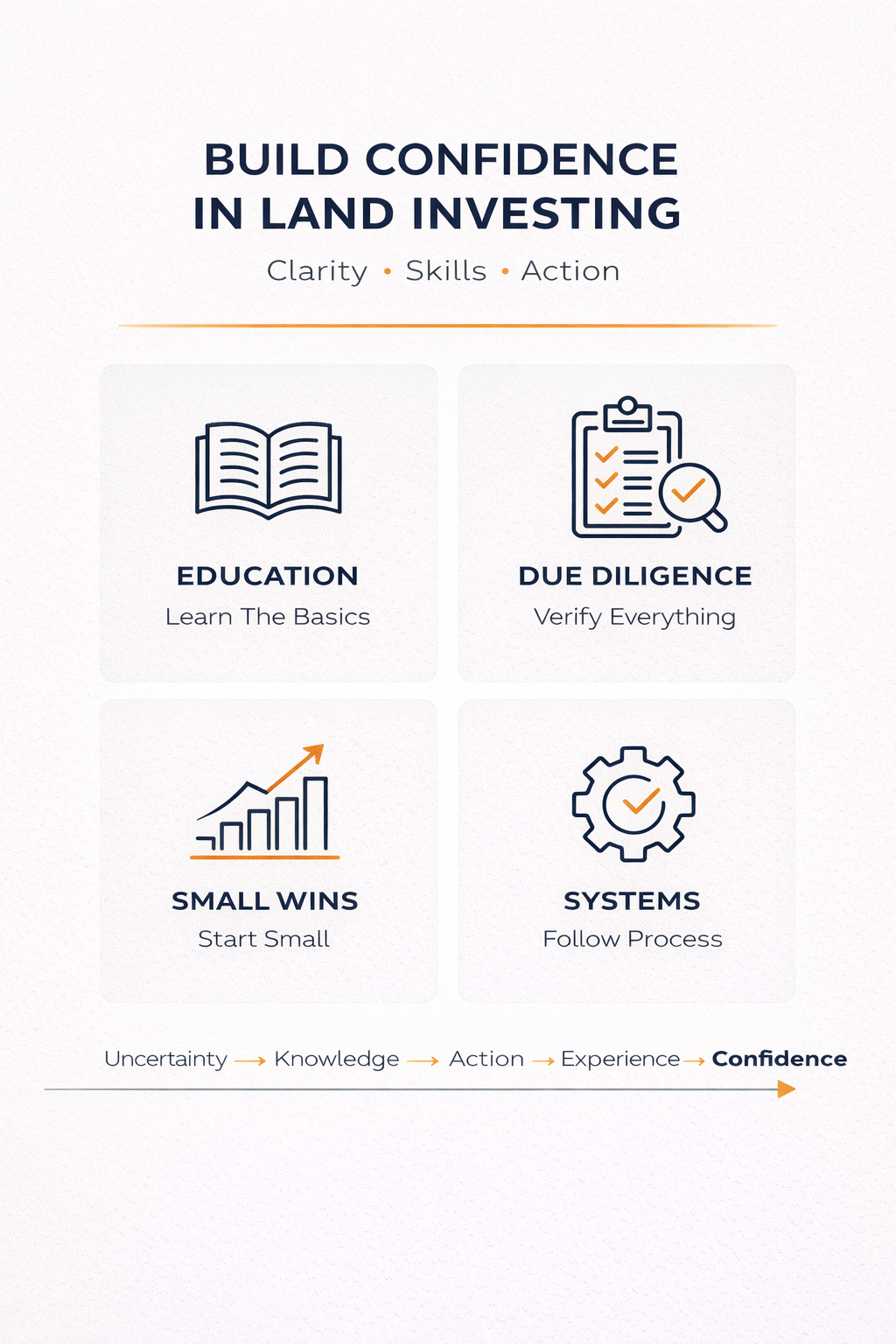

Land investing can appear intimidating for newcomers, but building confidence in this venture is achievable through knowledge and strategic planning. By understanding the fundamentals, identifying risks, and developing skills, you can make informed decisions. This comprehensive guide will walk you through the essential steps to build confidence in land investing, ensuring you are well-prepared to navigate the complexities of this investment landscape.
What is Land Investing and Why Should You Consider It?
Land investing involves purchasing parcels of land for various purposes, including development, resale, or holding for appreciation. It can offer significant financial returns and diversification in your investment portfolio.
Definition of Land Investing
Land investing refers to acquiring real estate property without structures, focusing on the land’s potential value. Investors may buy raw land to develop it later, hold it for appreciation, or purchase for recreational use. Understanding the fundamentals of land investing is crucial for making informed decisions.
Benefits of Land Investing
Investing in land can yield substantial benefits, including lower entry costs compared to residential properties, minimal maintenance requirements, and the potential for high returns. Moreover, land investments often appreciate over time, making them a valuable long-term asset. Investors can also benefit from tax advantages associated with holding land.
Common Misconceptions about Land Investing
Many believe land investing is only for wealthy individuals or seasoned investors. However, with proper education and a clear strategy, anyone can successfully invest in land. Additionally, misconceptions about land being a risky investment often stem from a lack of understanding of the market dynamics and due diligence processes.
How Do You Start Your Journey in Land Investing?
Starting your journey in land investing requires clear goal-setting, budget understanding, and market research. These foundational steps will help you create a sustainable investment strategy tailored to your needs.
Identifying Your Goals
Before you invest, define what you want to achieve. Are you looking for quick profits through flipping, or long-term growth through holding? Your goals will guide your investment strategy, influencing the type of land you purchase and the areas you focus on.
Understanding Your Budget
Establishing a budget is crucial for successful land investing. Determine how much you can invest without compromising your financial stability. Factor in costs such as property taxes, maintenance, and unexpected expenses to ensure you can sustain your investment long-term.
Researching Your Market
Thorough market research is essential for identifying opportunities. Analyze local market trends, demand, and supply dynamics. Utilize online Resources, local government data, and real estate reports to gather valuable insights that inform your investment decisions.
What Skills Do You Need to Build Confidence in Land Investing?
Building confidence in land investing requires honing various skills, including analytical, negotiation, and market research skills. Developing these abilities will empower you to make informed decisions and navigate the complexities of land investments.
Analytical Skills
Strong analytical skills enable you to evaluate potential land investments critically. You should be able to assess current market conditions, identify trends, and analyze pricing data. This skill will help you determine whether an investment aligns with your financial goals and risk tolerance.
Negotiation Skills
Effective negotiation can significantly impact your investment’s profitability. Understanding seller motivations, market value, and negotiation tactics will help you secure favorable deals. Practice negotiating in various scenarios to build your confidence and effectiveness in this critical area.
Market Research Skills
Proficient market research skills allow you to gather and analyze relevant data to inform your investment decisions. You should know how to utilize various tools and resources, such as MLS listings, demographic reports, and market analysis software. Continuous learning in this area will enhance your ability to identify profitable opportunities.
How Can You Educate Yourself About Land Investing?
Education is key to building confidence in land investing. Explore books, online resources, courses, and networking opportunities to gain knowledge and insights from experienced investors.
Books and Online Resources
Numerous books and online resources provide valuable information on land investing. Consider reading reputable titles by industry experts and following credible blogs. Online forums and communities can also be excellent sources of information and support from fellow investors.
Courses and Workshops
Participating in land investing courses and workshops can deepen your understanding of the market. These educational opportunities often cover practical aspects such as valuation, financing, and due diligence. Look for local or online options that fit your schedule and learning preferences.
Networking with Other Investors
Engaging with other investors can significantly enhance your knowledge and confidence. Attend local real estate meetups, join online forums, and participate in social media groups. Networking allows you to share experiences, ask questions, and learn from the successes and challenges of others.
What Are the Common Risks Associated with Land Investing?
Land investing involves several risks, including market fluctuations, legal issues, and environmental concerns. Understanding these risks is essential for making informed investment decisions and developing risk mitigation strategies.
Market Fluctuations
The real estate market can be volatile, with property values influenced by economic conditions and demand. A downturn can result in decreased land values, impacting your investment’s profitability. Staying informed about market trends can help you navigate these fluctuations effectively.
Legal Issues
Land investments can involve legal complexities, including zoning regulations, title issues, and property disputes. Thorough due diligence is essential to identify and address potential legal problems before completing a purchase. Understanding local laws and regulations will help protect your investment.
Environmental Concerns
Environmental factors, such as contamination or zoning restrictions, can affect land value and usability. Conducting environmental assessments can help identify potential issues that may arise after your purchase. Being proactive about these concerns can safeguard your investment from unforeseen problems.
How Can You Mitigate Risks in Land Investing?
To mitigate risks in land investing, conduct thorough due diligence, invest in insurance, and create a diversified portfolio. These strategies will help protect your investment and enhance your confidence.
Conducting Due Diligence
Due diligence is a critical step before purchasing land. Investigate the property’s title history, zoning regulations, and environmental conditions. Engaging professionals, such as real estate attorneys or land surveyors, can provide valuable insights and help you make informed decisions.
Investing in Insurance
Insurance can offer financial protection against unforeseen events, such as natural disasters or property damage. Consider obtaining various types of insurance, including title insurance and liability coverage, to safeguard your investment and minimize potential losses.
Creating a Diversified Portfolio
Diversifying your land investments across different regions or types of properties can reduce overall risk. A well-rounded portfolio allows you to spread your investments, mitigating the impact of poor performance in any single area. Regularly review and adjust your portfolio to reflect market changes and personal goals.
What Is Due Diligence and Why Is It Important?
Due diligence is the process of thoroughly researching a property before purchase. This essential step helps identify potential risks and ensures you make informed investment decisions.
Understanding Due Diligence
Due diligence involves investigating various aspects of the property, including legal, financial, and physical factors. This comprehensive process helps you uncover any issues that could affect the property’s value or legality. Understanding its importance is crucial for minimizing risks and protecting your investment.
Steps in Conducting Due Diligence
Conducting due diligence typically involves several steps: reviewing title documents, checking zoning regulations, inspecting the property, and analyzing market conditions. Each step requires careful attention and thorough documentation to ensure you have a complete picture of the investment.
Common Mistakes to Avoid
Common mistakes in due diligence include neglecting to verify title history, overlooking zoning restrictions, and failing to conduct environmental assessments. Avoiding these pitfalls can save you from costly consequences and enhance your confidence in your investment decisions.
How Do You Find the Right Land Deals?
Finding the right land deals involves leveraging online platforms, working with real estate agents, and attending auctions. These strategies will increase your chances of discovering lucrative investment opportunities.
Utilizing Online Platforms
Online platforms such as auction sites, real estate marketplaces, and social media groups can be valuable resources for finding land deals. Many platforms allow you to filter searches based on location, price, and property type. Regularly browsing these platforms can help you stay updated on available opportunities.
Working with Real Estate Agents
Collaborating with experienced real estate agents specializing in land investments can provide access to exclusive listings and valuable insights. Agents can guide you through the buying process and help you negotiate favorable terms, making them an invaluable asset in your investment journey.
Attending Auctions
Land auctions can offer unique opportunities to purchase properties at competitive prices. Research local auction schedules and familiarize yourself with auction processes before attending. Understanding bidding strategies and setting a budget will enhance your success at auctions.
What Factors Should You Consider When Evaluating Land?
When evaluating land, consider factors such as location, zoning, access to utilities, and future development potential. These elements can significantly impact the property’s value and usability.
Location and Zoning
Location is one of the most critical aspects of land evaluation. Proximity to amenities, transportation, and growth areas can enhance land value. Additionally, zoning regulations dictate how the property can be used, influencing its development potential and resale opportunities.
Access to Utilities
Access to essential utilities, such as water, electricity, and sewage systems, adds significant value to land. Properties without these connections may require additional investment for infrastructure development. Evaluate utility availability and costs when assessing land deals.
Future Development Potential
Consider the future development potential of the land, including planned infrastructure projects and zoning changes. Areas designated for growth may see increased demand and appreciation, making them more desirable for investment. Research local government plans and community development initiatives to gauge future potential.
How Can You Analyze the Value of a Land Investment?
Analyzing the value of a land investment involves comparative market analysis, assessing development potential, and understanding land valuation methods. These techniques will help you determine whether a property is a good investment.
Comparative Market Analysis
A comparative market analysis (CMA) involves evaluating similar properties in the area to estimate market value. By analyzing recent sales, listing prices, and property attributes, you can develop a clearer picture of the land’s worth. A thorough CMA helps ensure you pay a fair price.
Assessing Development Potential
Evaluate the land’s development potential by considering zoning regulations, environmental factors, and market demand. Understanding what can be built on the property and any limitations will help determine its future value. Development potential can significantly influence your investment strategy and profitability.
Understanding Land Valuation Methods
Familiarize yourself with various land valuation methods, such as the sales comparison approach, income approach, and cost approach. Each method has its strengths and weaknesses, and understanding them will enhance your ability to assess land value accurately. Choose the most appropriate method based on your investment goals and property characteristics.
What Financing Options Are Available for Land Investment?
Financing options for land investment include traditional mortgages, land loans, and creative financing strategies. Understanding these options will help you choose the right approach for your investment needs.
Traditional Mortgages
Traditional mortgages may be available for purchasing land, particularly if you plan to build on it. However, lenders often require higher down payments and may impose stricter lending criteria for raw land. Research various lenders to find competitive rates and terms.
Land Loans
Land loans are specifically designed for purchasing land and may offer more flexible terms compared to traditional mortgages. These loans can vary in structure, including short-term and long-term options. Assess your financial situation to determine the best loan type for your investment strategy.
Creative Financing Options
Consider creative financing options, such as seller financing or lease-to-own agreements, if traditional financing is challenging. These alternatives can provide more accessible entry points into land investing, allowing you to negotiate flexible terms directly with sellers.
How Can You Build a Network in the Land Investing Community?
Building a network in the land investing community involves joining real estate investment groups, attending conferences, and connecting on social media. Networking can provide valuable insights and support as you navigate your investment journey.
Joining Real Estate Investment Groups
Real estate investment groups can offer opportunities to meet like-minded individuals and share knowledge. Many groups host regular meetings, workshops, and online discussions, allowing you to learn from experienced investors. Actively participating can enhance your understanding of land investing and help you build lasting relationships.
Attending Conferences
Industry conferences provide excellent networking opportunities and access to educational sessions. Attend events focused on land investing, real estate, or finance to meet professionals and gain insights into current market trends. Engaging with speakers and fellow attendees can expand your network and enhance your knowledge base.
Connecting on Social Media
Utilize social media platforms, such as LinkedIn, Facebook, and Instagram, to connect with other investors and industry experts. Join relevant groups, participate in discussions, and share your experiences to build your presence in the land investing community. Social media can be a powerful tool for networking and learning.
What Role Does Mentorship Play in Building Confidence?
Mentorship is invaluable for building confidence in land investing, providing guidance, support, and knowledge from experienced professionals in the field. A mentor can help you navigate challenges and accelerate your learning curve.
Finding a Mentor
Identify potential mentors by reaching out to experienced investors, attending local meetups, or joining online forums. Be proactive in seeking individuals who align with your goals and values, and express your interest in learning from their experiences. Building a mentor-mentee relationship can be a transformative step in your investment journey.
Benefits of Mentorship
Mentorship offers numerous benefits, including personalized guidance, accountability, and access to valuable resources. A mentor can share insights from their own experiences, helping you avoid common pitfalls and make informed decisions. Their encouragement can also boost your confidence as you navigate your investment journey.
How to Approach a Potential Mentor
When approaching a potential mentor, be respectful of their time and expertise. Clearly communicate your goals and what you hope to learn from them. Be open to feedback and demonstrate your commitment to growth. Building a genuine connection can lead to a fruitful mentor-mentee relationship.
How Can You Track Your Progress in Land Investing?
Tracking your progress in land investing involves setting SMART goals, using investment tracking tools, and regularly reviewing your portfolio. These practices will help you measure success and adjust your strategy accordingly.
Setting SMART Goals
Setting SMART (Specific, Measurable, Achievable, Relevant, Time-bound) goals provides clarity and direction for your land investing journey. Clearly define your objectives, such as acquiring a specific number of properties within a set timeframe. SMART goals will help you stay focused and motivated as you progress.
Using Investment Tracking Tools
Utilizing investment tracking tools can streamline the process of monitoring your land investments. Consider using spreadsheets or dedicated software to track expenses, revenue, and property performance. Regularly updating your records will help you evaluate your investments’ success and make informed decisions moving forward.
Regularly Reviewing Your Portfolio
Regular portfolio reviews are essential for assessing your investment performance and making necessary adjustments. Analyze trends, identify underperforming assets, and evaluate your overall strategy. Periodic reviews allow you to stay proactive and adapt to changing market conditions.
What Are the Best Practices for Negotiating Land Deals?
Best practices for negotiating land deals include understanding seller motivation, making competitive offers, and knowing when to walk away. These tactics can enhance your negotiation skills and lead to more favorable outcomes.
Understanding Seller Motivation
Understanding why a seller is putting their land on the market can provide valuable insights during negotiations. Are they in a hurry to sell, or are they looking for the highest price? Tailoring your approach based on their motivations can help you secure a better deal.
Making Competitive Offers
When making offers, ensure they are competitive based on your market analysis. Providing a fair offer can demonstrate your seriousness as a buyer. Consider including contingencies or flexible terms to make your offer more attractive while protecting your interests.
Knowing When to Walk Away
Recognizing when to walk away from a deal is a crucial negotiation skill. If the terms do not meet your investment criteria or if you feel pressured, be willing to step back. Maintaining a clear understanding of your goals and budget will empower you to make sound decisions and avoid regrettable investments.
How Do You Handle Rejection in Land Investing?
Handling rejection in land investing requires resilience, a willingness to learn from experiences, and persistence. These traits can help you navigate the challenges inherent in the investment process.
Learning from Rejection
Rejection can offer valuable learning opportunities. Analyze the reasons behind any failed negotiations or unsuccessful deals to identify areas for improvement. Embracing rejection as a part of the learning process will help you build confidence and refine your investment strategies.
Staying Persistent
Persistence is key to success in land investing. Rejection is common, and maintaining a positive attitude will help you push through challenges. Setbacks can be discouraging, but staying focused on your long-term goals will ultimately lead to success.
Using Feedback for Improvement
Seek constructive feedback from peers, mentors, or industry professionals after experiencing rejection. Understanding others’ perspectives can provide insights that enhance your approach to future investments. Implementing feedback into your strategy will help you develop and grow as an investor.
What Resources Can Help You Stay Informed About Market Trends?
Staying informed about market trends is crucial for successful land investing. Utilize real estate blogs, newsletters, market reports, and local government resources to gather relevant information.
Real Estate Blogs and Newsletters
Subscribe to reputable real estate blogs and newsletters that provide insights into market trends, investment strategies, and industry news. Many blogs feature expert opinions and analyses that can enhance your understanding of current land investing dynamics.
Market Reports and Analysis
Regularly review market reports and analyses from industry publications or research firms. These resources can provide valuable data on pricing trends, demand, and regional developments. Understanding market conditions will help you make informed investment decisions.
Local Government Resources
Local government resources, such as planning departments and zoning boards, can provide essential information about upcoming developments, zoning changes, and infrastructure projects. Staying connected with these sources will keep you informed about factors that may impact land value in your target areas.
How Can You Leverage Technology in Land Investing?
Leveraging technology in land investing involves using mapping software, online marketplaces, and investment analysis tools. These resources can streamline your research, analysis, and decision-making processes.
Using Mapping Software
Mapping software can help you visualize property locations, analyze demographics, and assess proximity to amenities. Tools like Geographic Information Systems (GIS) can provide data layers that enhance your understanding of land characteristics and market dynamics.
Online Marketplaces
Online marketplaces allow you to search for land deals efficiently. Websites such as Zillow, LandWatch, and LoopNet offer comprehensive listings and filters for finding suitable properties. Utilizing these platforms can save time and broaden your investment options.
Investment Analysis Tools
Investment analysis tools can assist in evaluating potential land investments based on various financial metrics. Software that calculates ROI, cash flow, and property appreciation can help you make data-driven decisions. Familiarizing yourself with these tools will enhance your investment analysis capabilities.
What Are the Legal Considerations in Land Investing?
Legal considerations in land investing include understanding property laws, zoning regulations, and title insurance. Familiarity with these aspects is crucial for protecting your investment and ensuring compliance.
Understanding Property Laws
Property laws govern the rights and responsibilities of landowners, including issues related to ownership, use, and transfer of property. Understanding these laws is essential for navigating the complexities of land investing and ensuring compliance with local regulations.
Zoning Regulations
Zoning regulations dictate how land can be used, impacting development potential and investment strategies. Familiarize yourself with local zoning laws and restrictions to ensure that your intended use of the property aligns with regulations. Understanding zoning can prevent costly mistakes and enhance your investment’s viability.
Title Insurance
Title insurance protects buyers from potential title issues, such as liens or ownership disputes. Investing in title insurance is advisable to safeguard your investment against unforeseen legal challenges. Ensure that you obtain a thorough title search to identify any potential issues before purchasing land.
How Can You Build a Personal Brand in Land Investing?
Building a personal brand in land investing involves creating a professional website, utilizing social media, and establishing credibility. A strong brand can enhance your reputation and attract potential partners or clients.
Creating a Professional Website
A professional website serves as a platform to showcase your expertise, portfolio, and services. Ensure your website is user-friendly, informative, and visually appealing. Regularly update content to reflect your latest projects, insights, and industry knowledge.
Utilizing Social Media
Social media platforms can help you connect with other investors and share your knowledge. Create profiles on platforms relevant to your audience, such as LinkedIn or Instagram, and share valuable content that showcases your expertise. Engaging with followers can enhance your online presence and credibility.
Establishing Credibility
Building credibility requires demonstrating expertise and reliability in your investments. Share success stories, case studies, and testimonials from clients or partners. Engaging in public speaking opportunities or writing articles can further establish your reputation as an authority in land investing.
What Strategies Can You Use to Increase Your Confidence?
To increase confidence in land investing, employ strategies such as visualization techniques, continuous learning, and setting achievable milestones. These practices can enhance your mindset and decision-making abilities.
Visualization Techniques
Visualization techniques involve mentally rehearsing successful investment scenarios. By visualizing positive outcomes, you can reduce anxiety and build confidence in your decision-making abilities. Regularly practice visualization to reinforce your goals and desired outcomes.
Continuous Learning
Engage in continuous learning by staying updated on industry trends, attending seminars, and pursuing educational opportunities. The more knowledgeable you are, the more confident you will feel in your investment decisions. Embrace a growth mindset and seek out resources that enhance your understanding.
Setting Achievable Milestones
Set achievable milestones in your land investing journey to track progress and boost confidence. Break down your larger goals into smaller, manageable tasks with specific deadlines. Celebrating each milestone achieved will foster a sense of accomplishment and motivate you to continue advancing.
How Important Is Patience in Land Investing?
Patience is critical in land investing, as it often requires time for properties to appreciate and for opportunities to arise. Developing a patient mindset can lead to better decision-making and more favorable investment outcomes.
Understanding Long-Term vs. Short-Term Gains
Understanding the difference between long-term and short-term gains is vital in land investing. While short-term flips can provide immediate profits, long-term investments typically yield higher returns through appreciation. Adopting a long-term perspective can help you make more strategic investment choices.
The Value of Waiting for the Right Opportunity
In land investing, waiting for the right opportunity can significantly impact profitability. Rushing into a purchase may lead to poor decisions or missed opportunities. Cultivating patience allows you to thoroughly evaluate options and make well-informed investments.
Managing Expectations
Managing your expectations is essential for maintaining patience in land investing. Understand that not every investment will yield immediate results, and market fluctuations can affect property values. Setting realistic expectations will help you stay focused and committed to your long-term goals.
How Do You Know When to Make Your First Investment?
Knowing when to make your first investment involves assessing your preparedness, identifying the right deal, and trusting your instincts. These factors will guide you to make informed decisions that align with your goals.
Assessing Your Preparedness
Before making your first investment, assess your financial stability, knowledge, and emotional readiness. Ensure you have a clear understanding of your investment strategy and are comfortable with the risks involved. Being well-prepared will boost your confidence and decision-making ability.
Identifying the Right Deal
Identifying the right deal involves evaluating properties based on your investment criteria. Consider factors such as location, price, and potential for appreciation. Conduct thorough due diligence to ensure the property aligns with your goals and offers a favorable investment opportunity.
Trusting Your Instincts
Trusting your instincts is crucial when making investment decisions. If something feels off about a deal or property, take a step back and reevaluate. Your intuition, combined with research and analysis, can guide you toward making sound investment choices.
What Should You Do After Making Your First Land Investment?
After making your first land investment, review your experience, continue your education, and plan for future investments. These steps will help you build on your initial success and enhance your confidence.
Reviewing Your Experience
Take time to reflect on your first investment experience. Analyze what went well and what challenges you faced. Documenting your insights will help you learn from your experiences and apply those lessons to future investments.
Continuing Education
Investing in your education should be an ongoing commitment. Seek out new learning opportunities, such as workshops, courses, or networking events. Staying informed about industry trends and best practices will enhance your confidence and knowledge base.
Planning for Future Investments
After your first investment, begin planning for future acquisitions. Set new goals based on your experience and market insights. Creating a strategic plan will help you stay focused and motivated as you continue your land investing journey.
How Can You Use Feedback to Improve Your Land Investing Skills?
Utilizing feedback is essential for improving your land investing skills. Seek constructive criticism, learn from mistakes, and adapt your strategies based on insights gained from your experiences.
Seeking Constructive Criticism
Actively seek feedback from mentors, peers, or industry professionals. Constructive criticism can provide valuable insights into areas where you can improve. Being open to feedback will accelerate your growth as an investor and enhance your decision-making abilities.
Learning from Mistakes
Embrace mistakes as learning opportunities. Analyze what went wrong and identify ways to prevent similar issues in the future. Developing a growth mindset will help you view challenges as valuable experiences that contribute to your overall development as an investor.
Adapting Your Strategies
Based on feedback and experiences, be willing to adapt your investment strategies. The real estate market is constantly evolving, and flexibility is key to success. Regularly reassess your approach and make necessary adjustments to stay aligned with your goals and market conditions.
What Are Some Success Stories in Land Investing?
Success stories in land investing can inspire confidence and provide valuable insights. Learning from the experiences of successful investors can help you navigate your own investment journey more effectively.
Case Studies of Successful Investors
Examining case studies of successful land investors can offer practical lessons and strategies. Many investors share their journeys, detailing how they identified opportunities, overcame challenges, and achieved significant returns. Analyzing these stories can serve as a guide for your own investments.
Lessons Learned from Their Journeys
Successful investors often highlight key lessons learned throughout their journeys. Common themes include the importance of due diligence, patience, and adaptability. Applying these lessons to your own investing approach can enhance your confidence and decision-making capabilities.
How They Overcame Challenges
Understanding how successful investors overcame challenges can provide inspiration and practical strategies. Many faced setbacks, market fluctuations, or unexpected issues but persevered through resilience and informed decision-making. Learning from their experiences can equip you with the tools needed to navigate your own challenges.
How Can You Stay Motivated in Your Land Investing Journey?
Staying motivated in your land investing journey involves setting short-term goals, finding inspiration from others, and celebrating small wins. These strategies can help you maintain enthusiasm and focus as you progress.
Setting Short-Term Goals
Setting short-term goals can create a sense of accomplishment and motivation. Break down larger objectives into smaller, achievable tasks with specific deadlines. Regularly achieving these milestones will boost your confidence and keep you engaged in your investment journey.
Finding Inspiration from Others
Seek inspiration from other investors, industry leaders, or success stories. Engaging with a community of like-minded individuals can provide support and motivation. Sharing experiences and learning from others can help you stay focused and inspired in your own journey.
Celebrating Small Wins
Celebrating small wins along your investment journey is essential for maintaining motivation. Acknowledging your progress, whether securing a property or completing a successful negotiation, will reinforce your commitment to your goals. Recognizing achievements, no matter how small, will keep you motivated and focused.
What Are the Next Steps After Gaining Confidence in Land Investing?
After gaining confidence in land investing, consider scaling your investments, exploring new markets, and continuing to build your knowledge. These steps will help you leverage your newfound confidence for greater success.
Scaling Your Investments
Once you feel confident in your abilities, consider scaling your investments by diversifying your portfolio or increasing the number of properties you acquire. This can enhance your earning potential and provide greater financial security. Develop a strategic plan to manage your growth effectively.
Exploring New Markets
Exploring new markets can present additional investment opportunities and diversify your portfolio. Research areas with growth potential, favorable economic conditions, or emerging trends. Expanding your horizons can lead to new possibilities and enhance your overall investment strategy.
Continuing to Build Your Knowledge
Commit to lifelong learning in land investing. Stay informed about industry trends, market changes, and innovative strategies. Continuous education will empower you to adapt to evolving conditions and make informed decisions, ensuring long-term success in your investments.
Mini FAQ
Q1: What is the best way to start land investing?
A1: Start by identifying your goals, understanding your budget, and researching the market to make informed decisions.
Q2: How can I mitigate risks in land investing?
A2: Conduct thorough due diligence, invest in insurance, and diversify your portfolio to minimize risks.
Q3: What skills are essential for land investing?
A3: Key skills include analytical abilities, negotiation skills, and market research skills.
Q4: How can I find good land deals?
A4: Utilize online platforms, collaborate with real estate agents, and attend auctions to discover land deals.
Q5: Why is mentorship important in land investing?
A5: Mentorship provides guidance, support, and knowledge from experienced investors, helping you navigate challenges.
Q6: What are the common mistakes to avoid in land investing?
A6: Common mistakes include neglecting due diligence, overlooking zoning regulations, and rushing into purchases.
Q7: How can I stay motivated in my land investing journey?
A7: Set short-term goals, find inspiration from others, and celebrate small wins to maintain motivation.